Projects
← Take me backEmergency Dispatch App
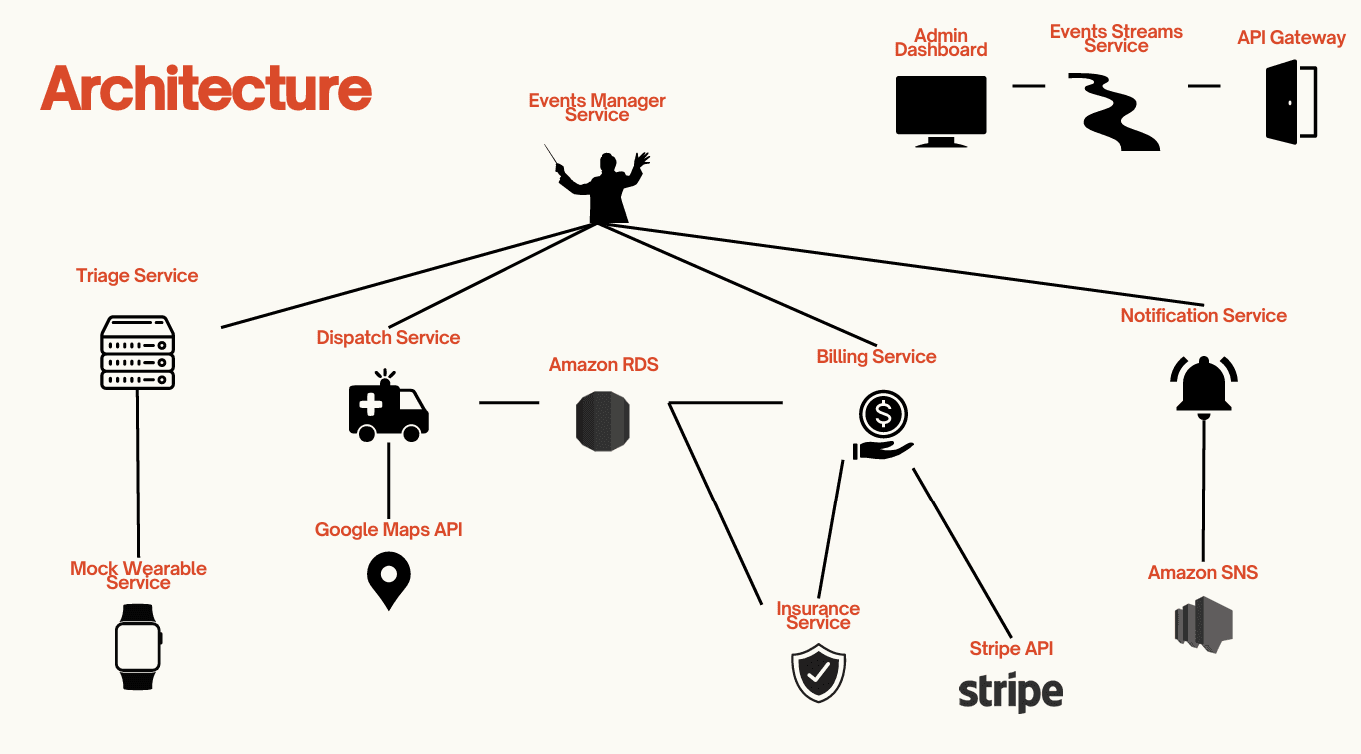
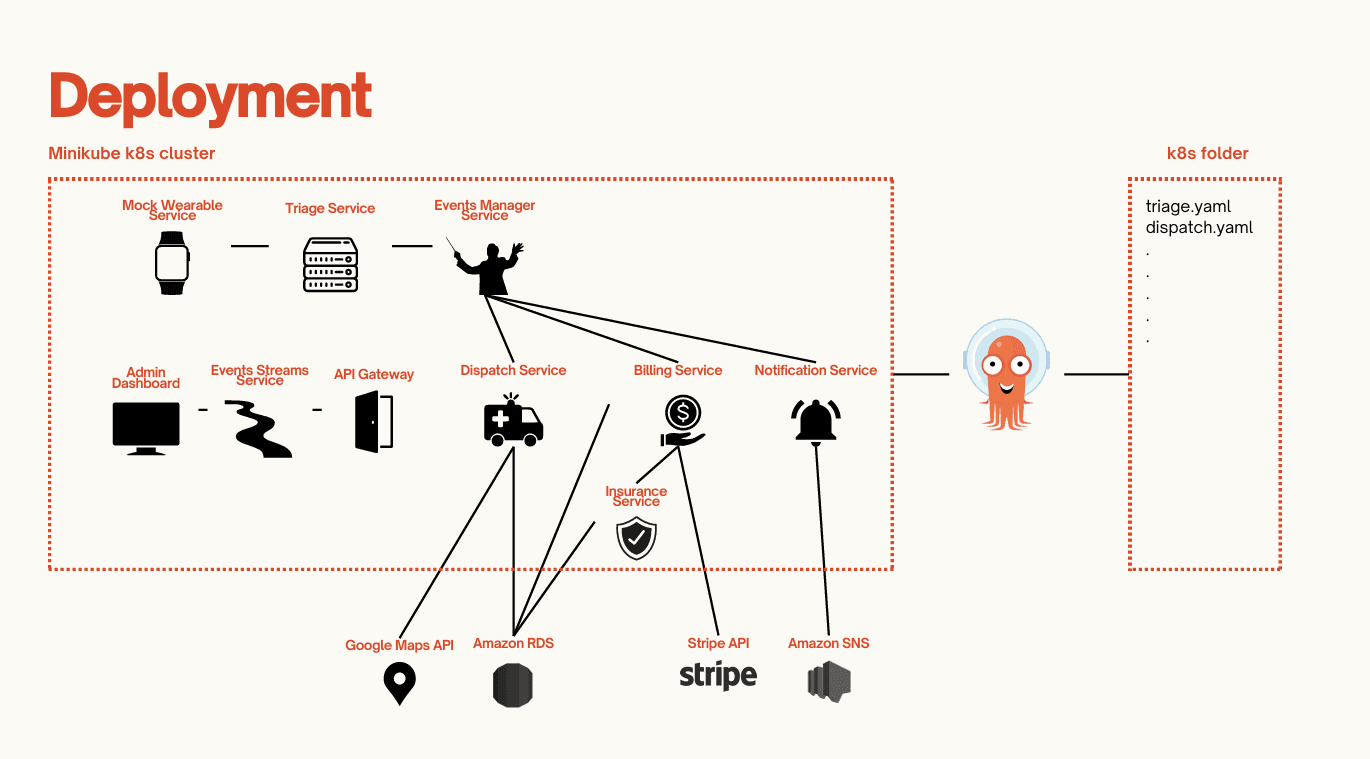
github.com/mattw23n/emergency-dispatch-appSHERS is an event-driven microservices framework designed to automate emergency medical responses using a RabbitMQ AMQP backbone and a Saga-based orchestration pattern. The system ingests mocked vitals via a Python-based Triage service, triggers automated dispatching and routing through the Google Maps API, and manages financial settlements via Stripe and Amazon RDS. The infrastructure is deployed on Kubernetes with ArgoCD for GitOps-driven continuous delivery, utilizing Horizontal Pod Autoscalers for resource management. Security is enforced within the GitLab CI pipeline through Semgrep SAST, Trivy vulnerability scanning, and Gitleaks secret detection to ensure a hardened production environment.
Wayfinders
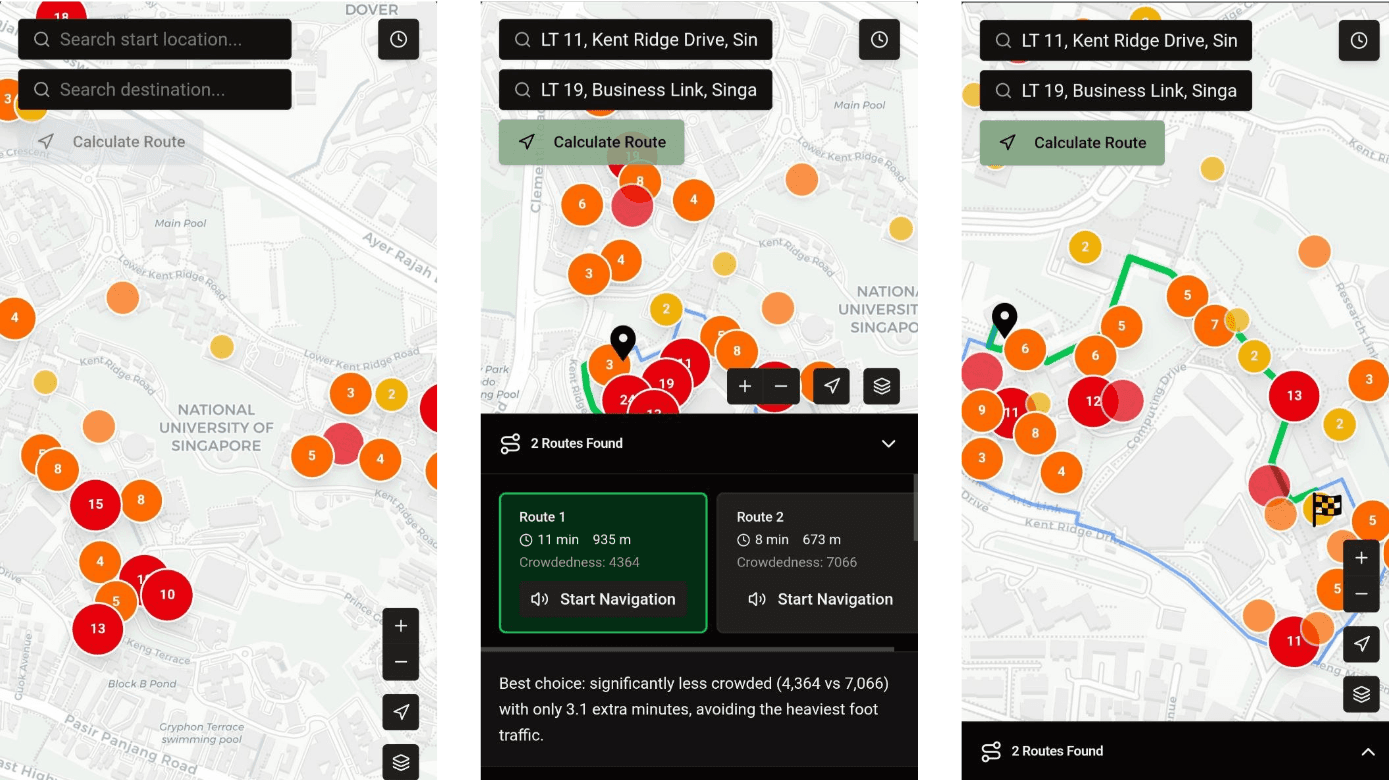
NUS Hack & Roll 2026github.com/mattw23n/wayfindersWayfinders is a NUS-focused pedestrian routing engine built on a FastAPI/Next.js stack that prioritizes crowd avoidance. The backend fetches multiple paths via the OpenRouteService API and applies a heuristic "crowdedness penalty" by performing geospatial queries against a MongoDB store of venue coordinates and time-indexed class schedules from NUS Mods. This project was built for NUS Hack & Roll 2026.
Tree-D
PINUS Hack 2026treed.matteowoenardi.comTree-D's pipeline converts 2D images into tactile 3D reliefs by extracting depth and texture data. Using the Marigold AI model, the system generates surface normals and analyzes luminosity to calculate roughness and displacement maps. This data is then reconstructed into a high-fidelity Three.js object, allowing users to interactively view and export traditional artwork as physically accurate 3D models.
Technologies used: Three.js, marigold-normals, The MET API, Next.js, Python
Signify
TikTok Techjam 2024github.com/mattw23n/signifySignify is an award-winning mobile application developed for TikTok Techjam 2024 that empowers deaf and sign language content creators by translating Word-Level American Sign Language (WLASL) into real-time subtitles. Leveraging generative AI with PyTorch and OpenCV, the project features a Django backend for media processing and a React Native frontend designed for intuitive user experience, all managed using Agile methodologies.
Technologies used: React Native, Django, PyTorch, OpenCV, OpenAI API
Transport Network Efficiency
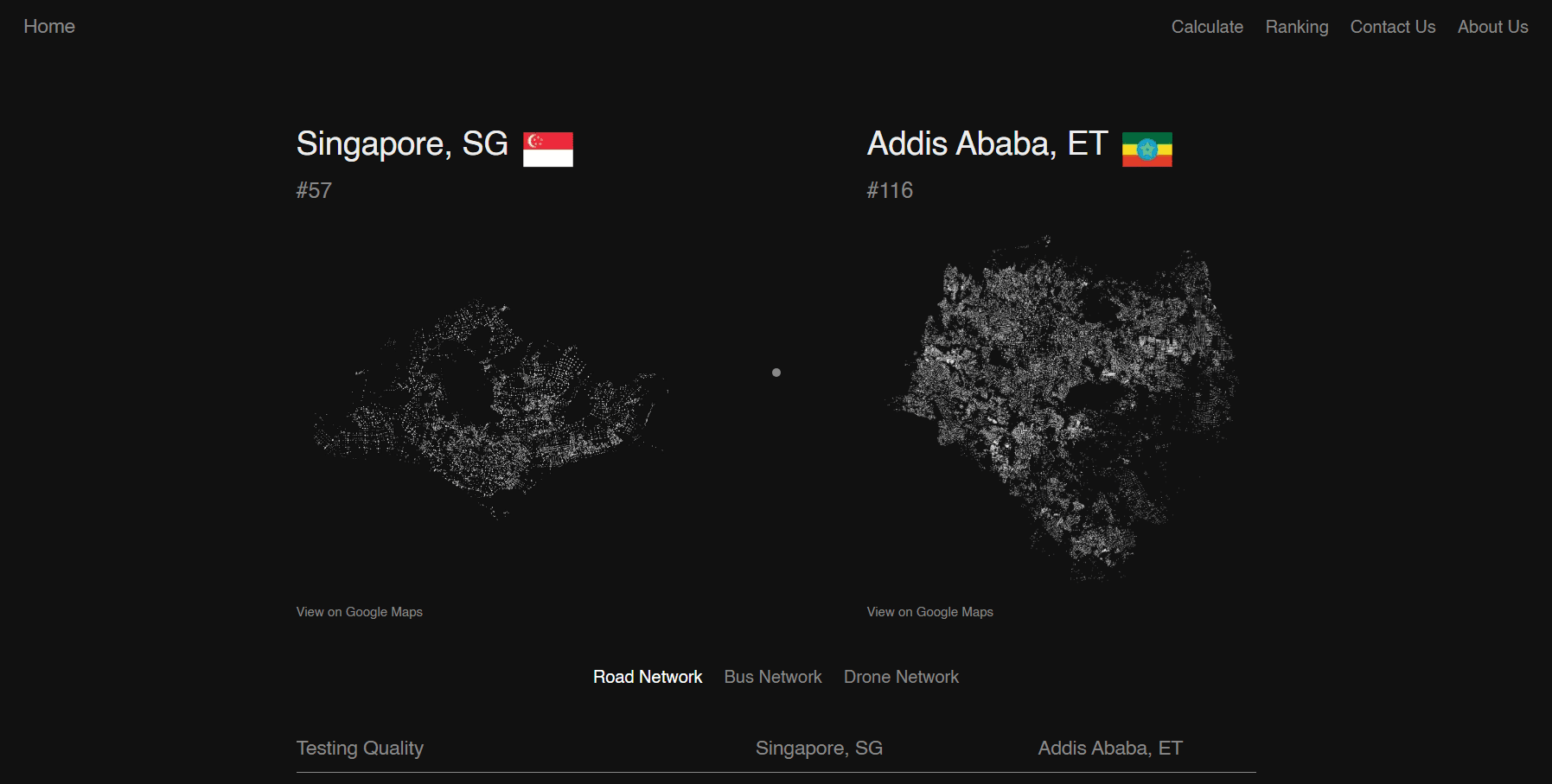
tne-woad.vercel.appTransport Network Efficiency is a research-driven platform designed to provide a scalable index for assessing routing efficiency in transportation networks, aiding policymakers and service providers in optimizing urban mobility. Built with Next.js, FastAPI, and AWS, the platform offers access to research and efficiency scores for various cities, with users able to contribute to expand the database.
GeoGuard AI
TikTok Techjam 2025github.com/mattw23n/geoguardGeoGuard AI is an interactive web application built with Python and Streamlit for product managers and legal teams to manage software features and their compliance status. It uses the Google Gemini 2.5 Flash model and a dynamic knowledge base, powered by a Supabase backend, to instantly analyze feature documentation for geo-specific legal requirements, providing reasoning and citations, and storing immutable audit trails for every scan.
Technologies used: Python, Streamlit, Supabase, Gemini API
TapSOS
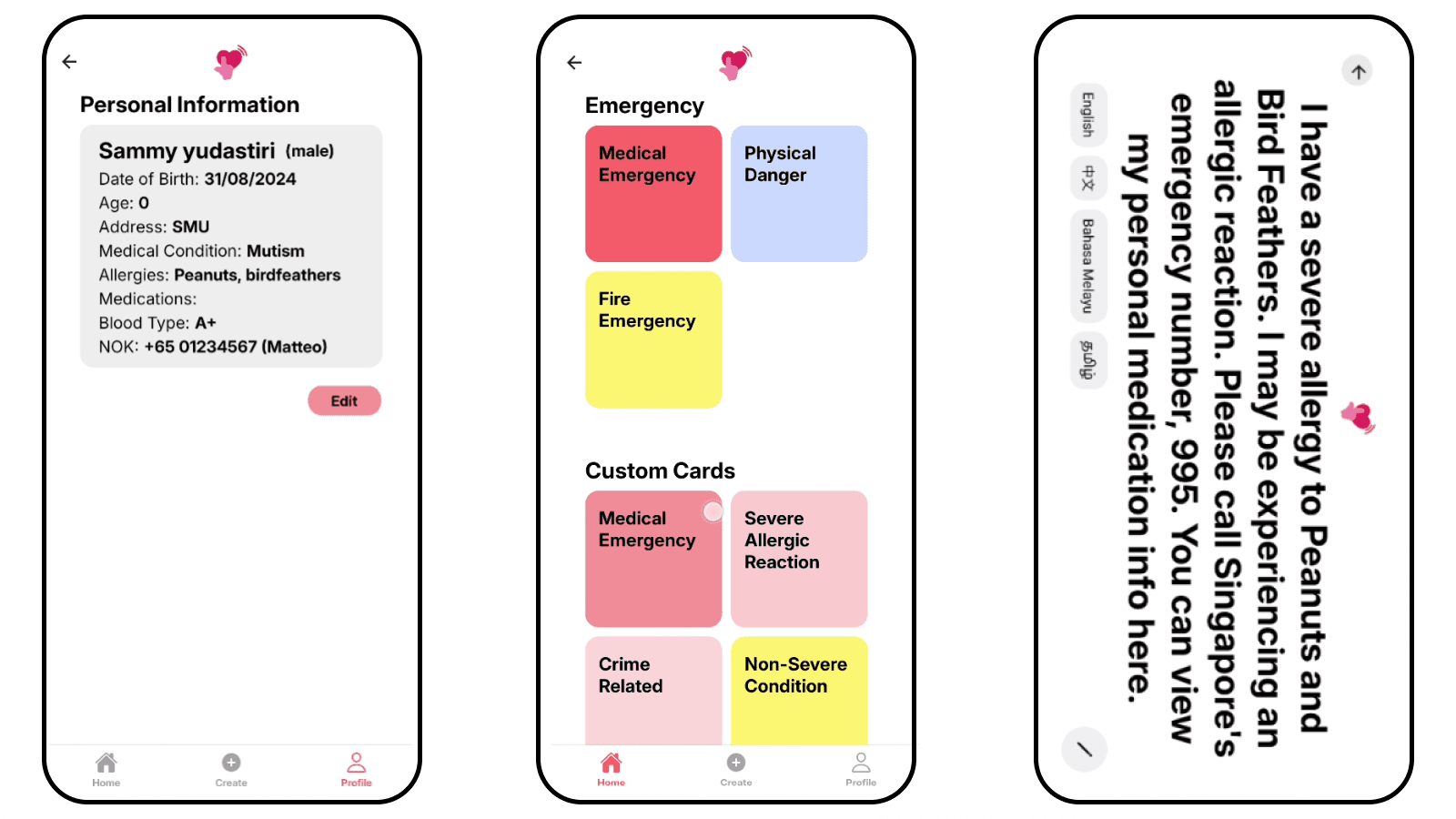
github.com/WiceKiwi/TapSOSTapSOS is a communication aid for individuals with disabilities, particularly the deaf, hard of hearing, or non-verbal, designed to facilitate clear and efficient communication in emergency situations. This React Native and Django application leverages AI to dynamically generate customizable emergency communication cards with pre-written messages and medical information, ensuring accessibility even offline.
AImong Us
NUS Hack & Roll 2025github.com/mattw23n/aimong-usAImong Us is a modern Turing Test presented as a fast-paced 5-minute party game, created during NUS Hack & Roll 2025, that challenges players to distinguish between AI and human-generated text. Built from scratch in a single day using React, Tailwind CSS, FastAPI, and the OpenAI API, the game showcases real-time communication through WebSockets and offers a fun way to explore the nuances of AI interaction.
Technologies used: React, Tailwind CSS, FastAPI, Websockets, OpenAI APIShuttleScore
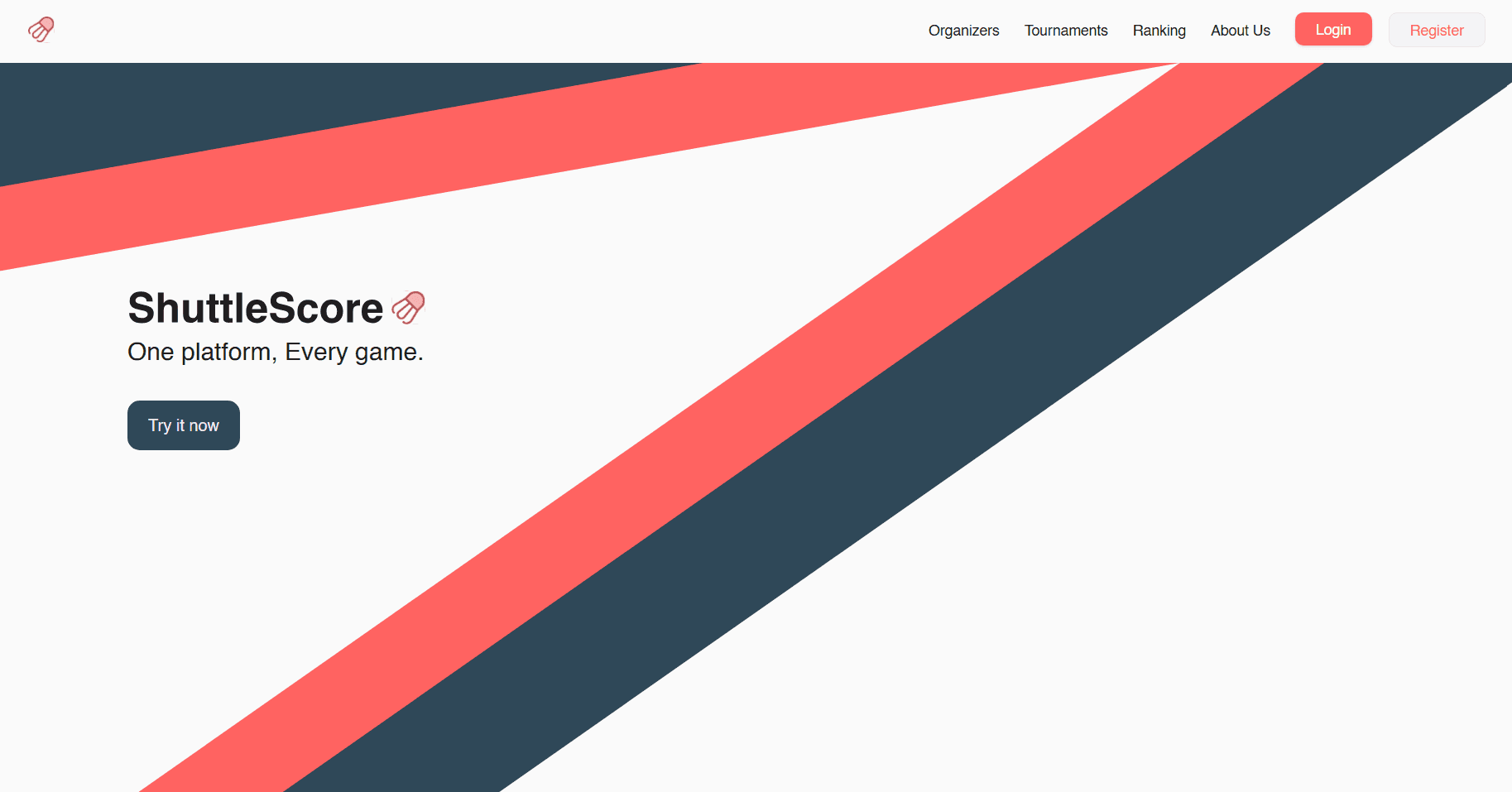
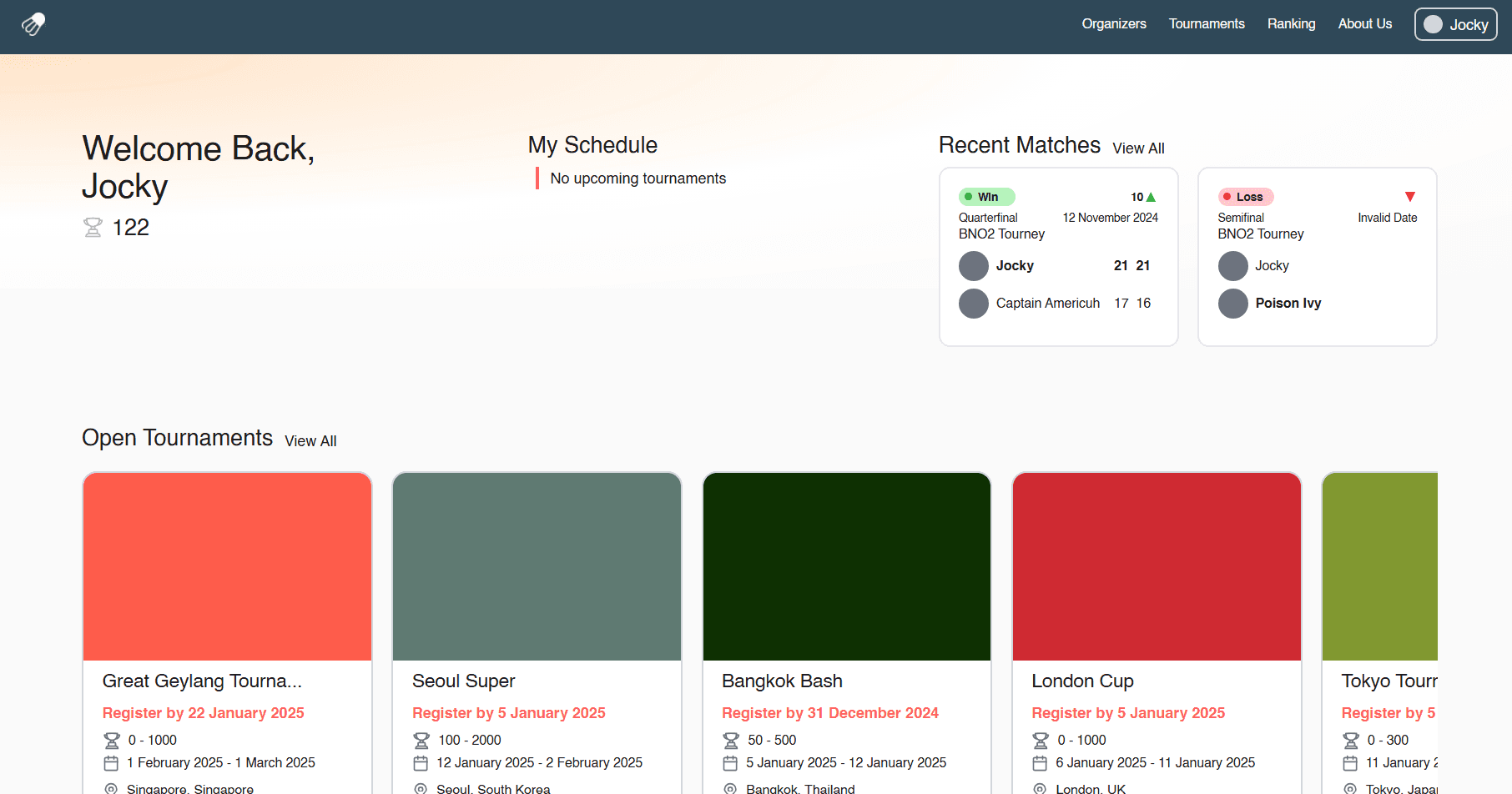
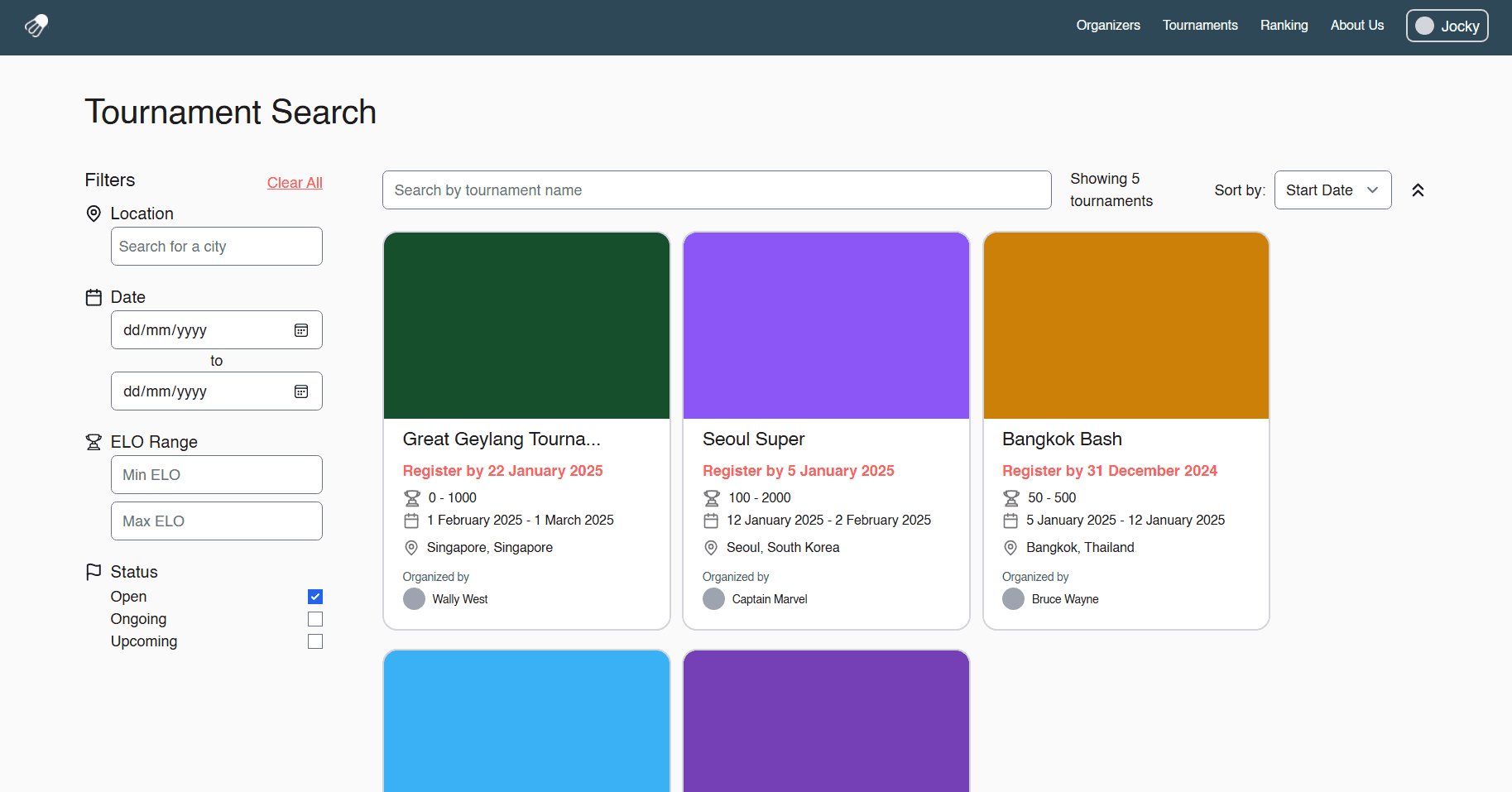
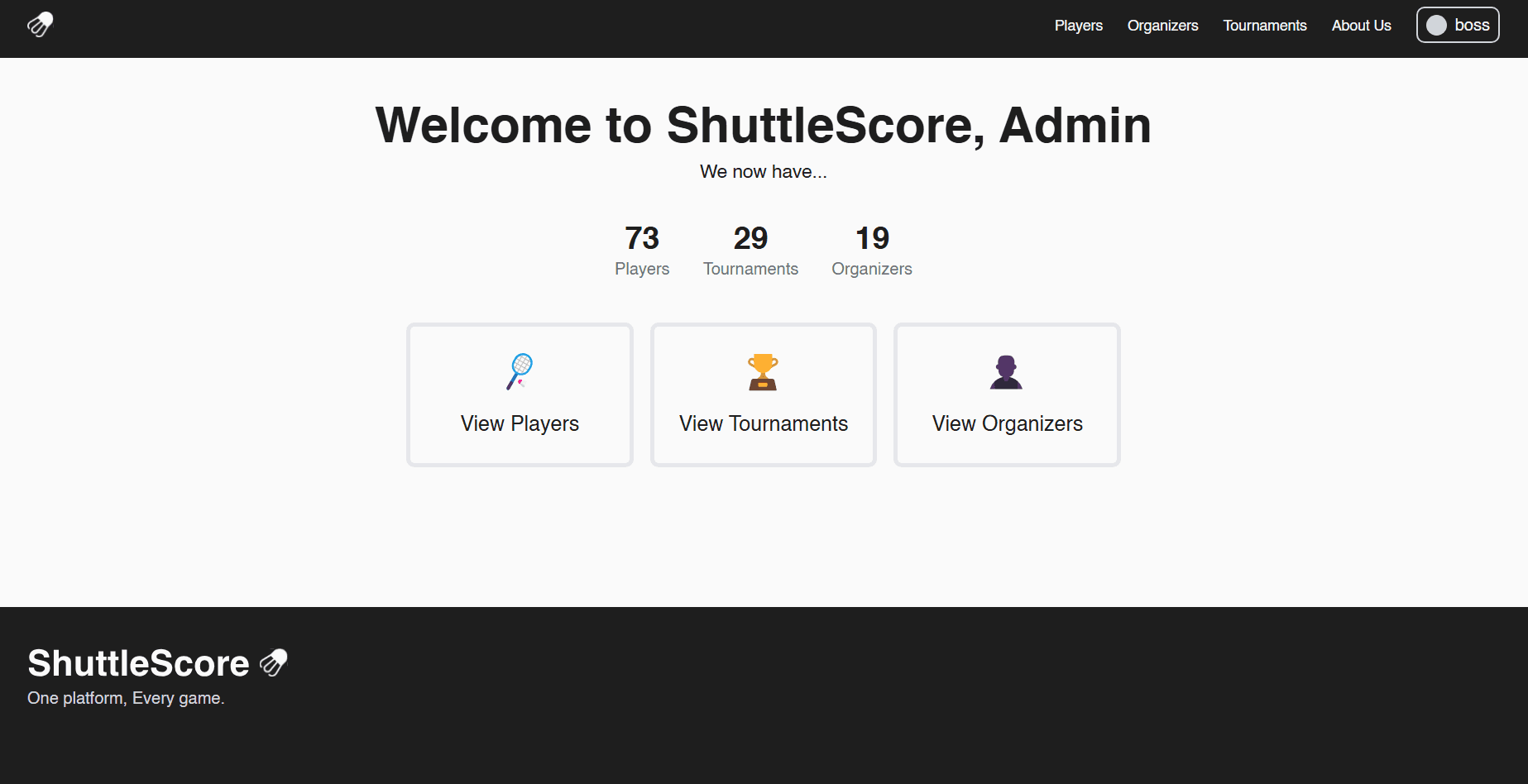
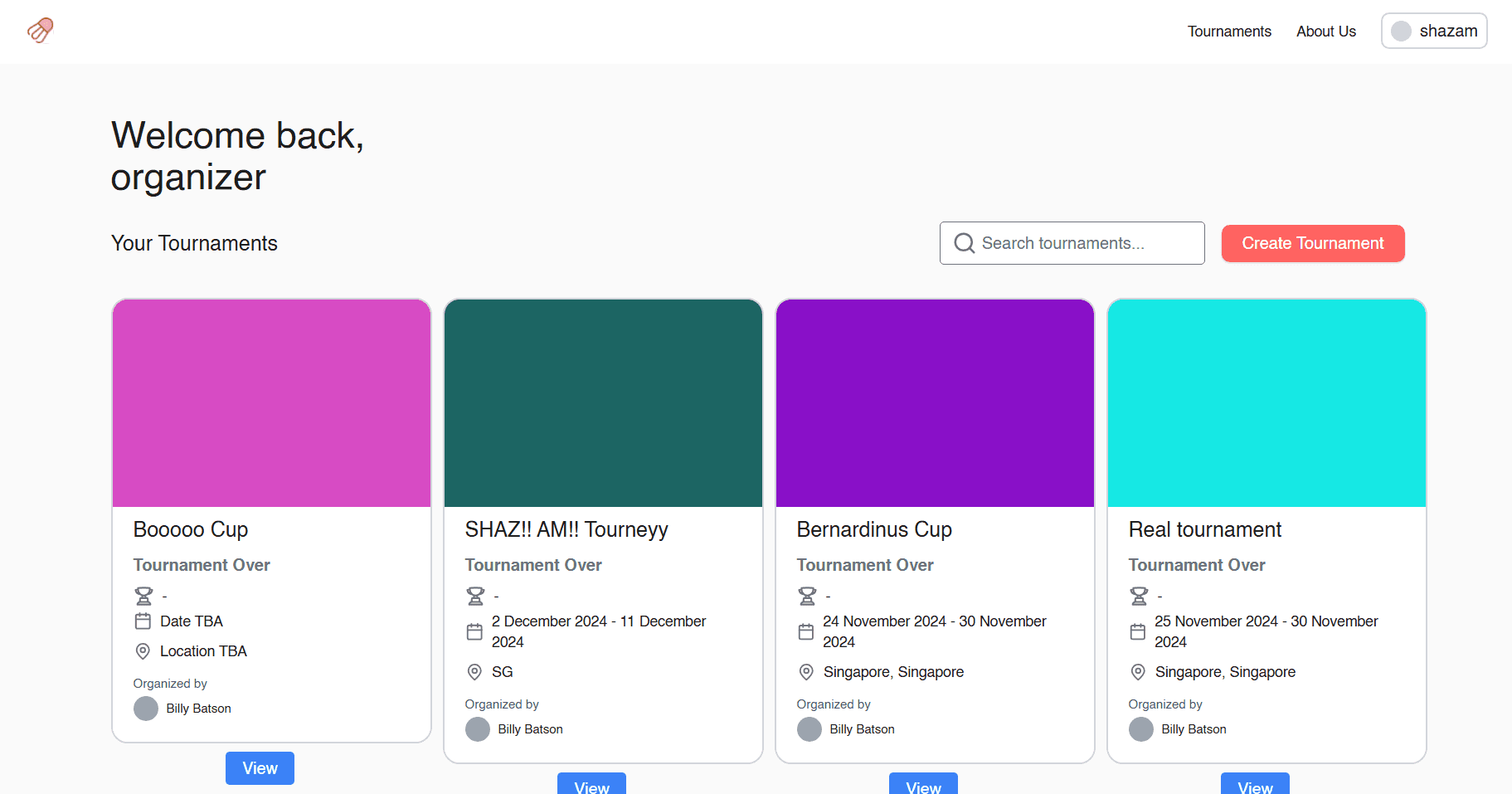
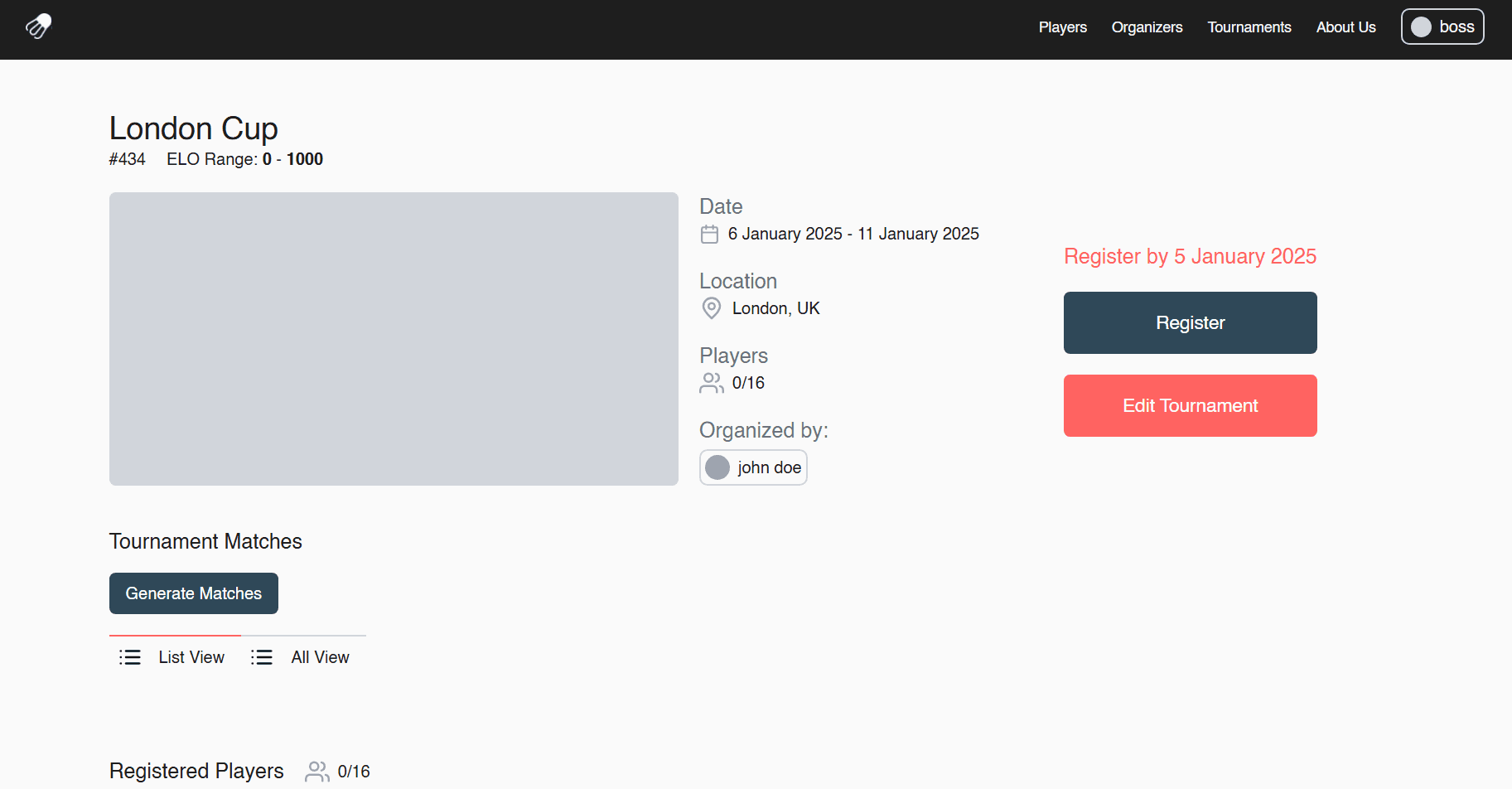
shuttlescore.vercel.appShuttleScore is a comprehensive tournament management platform for badminton players and organizers, designed and developed using Next.js for a responsive frontend with role-based authentication and intuitive dashboards, and Spring Boot with Supabase for the backend. Hosted on Vercel and Render, the project employed Agile methodologies and Figma prototyping to ensure continuous product improvement and deliver a user-centric experience for managing badminton events.
SMODS
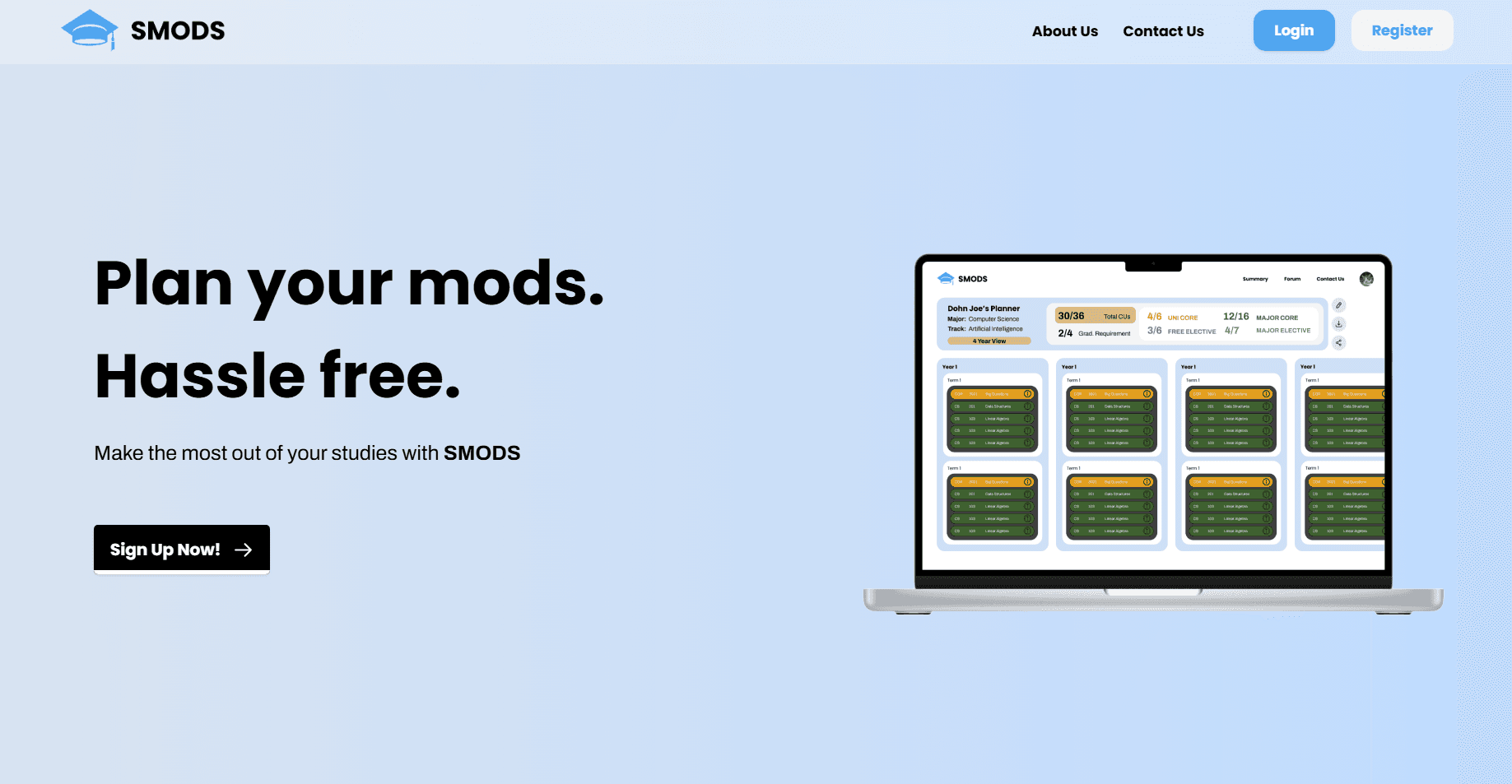
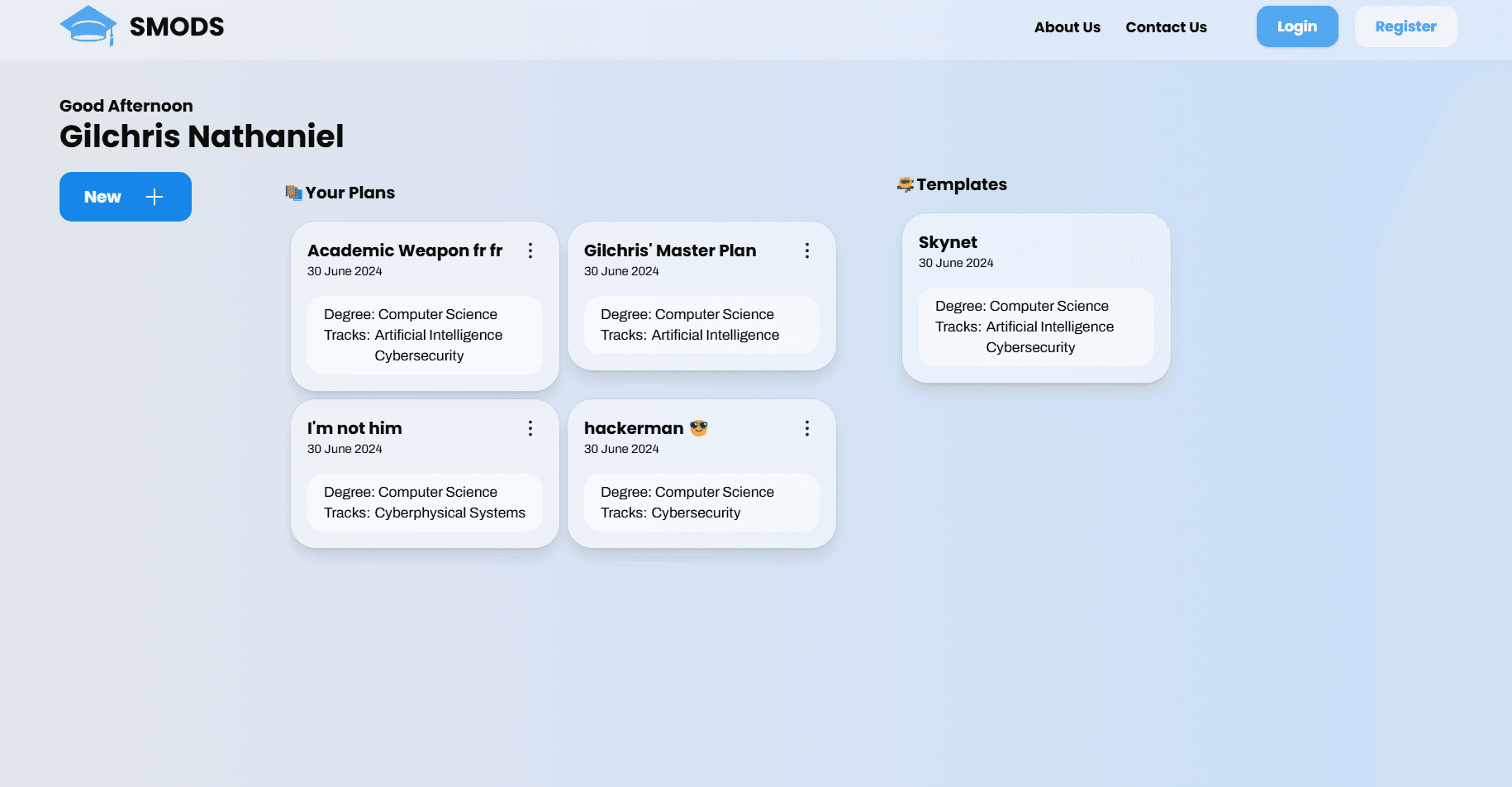
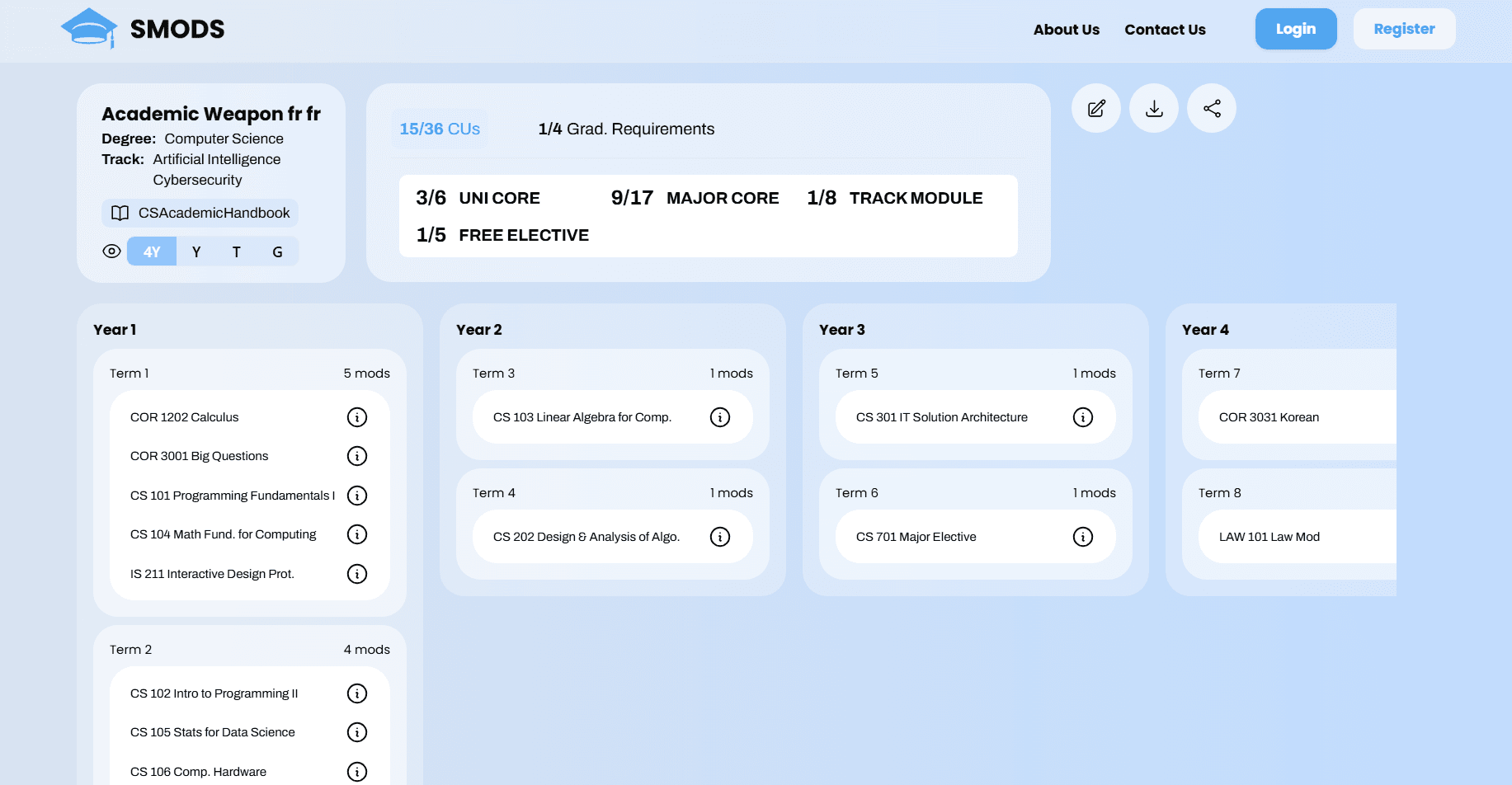
github.com/mattw23n/smodsSMODS is a full-stack course planning web application for SMU students, designed to streamline academic scheduling and management. Built with React and Tailwind CSS for the frontend and Java Spring Boot with MySQL for the backend, the application features intuitive drag-and-drop scheduling and dynamic dashboards for an enhanced user experience.

Anomalous User Prediction
View report heregithub.com/WiceKiwi/cs421-projectThis project focuses on detecting anomalous user behavior in a movie recommendation system by classifying users into natural or five types of synthetic anomaly classes from an imbalanced dataset. Utilizing an XGBoost model, the solution employs extensive feature engineering, Optuna for hyperparameter tuning, and a SMOTE-Tomek resampling strategy to achieve strong performance (consistently within the top 4 teams in weekly evaluations) in identifying subtle anomalies based on metrics like rating distributions and sequential patterns.
Technologies used: Python, sklearn, pandas, SHAP, Optuna